CG Policy · 2025
In this section7 topics
Corporate Governance Policy
Has a Corporate Governance Policy
Yes
Policy Description
Policy Corporate Governance
Overall of the policy and the principle of Corporate Governance
The Board of Directors has approved the good corporate governance policy which is a significant element that enables the Company to grow sustainably. This policy is used as a strict guideline for business operations and practices for all directors, executives and employees of the organization for performing their duties in order to promote business efficiency, transparency and accountability in the Company. In this connection, the Board of Directors plays an important role in supervising and scrutinizing the work related to corporate governance, including monitoring, reviewing and improving the policy to be appropriate and consistent with changeable circumstances by adhering to Corporate Governance Code or CG code issued by the Securities and Exchange Commission and the Stock Exchange of Thailand in order to achieve the following results:
1. The organization has sustainable growth
2. Transparency, ethics, integrity, efficiency, fairness, transparancy, including increasing competitive advantage to create value for the organization are promoted.
3. Having a Code of Conduct which requires personnel at all levels to acknowledge and put into practice, and having mechanisms for effective monitoring of compliance such as a whistleblowing channel.
4. Having a clear direction for business operations by determining vision, mission, strategy, main objectives, goals, risk appetite, and budget.
5. Having clear lines of responsibility andaccountability including management of authority.
6. Having in place monitoring arrangements to monitor the Company's operating results and performance in different areasand having strategies regularly reviewed and adjusted in order to achieve the determined goals.
7. The Company’s performance meets the expectations of stakeholders, being able to build confidence for shareholders and all stakeholders including the society and environment.
8. Having effective performance management andbeing able to accomplishwork and achieve objectives and goals. Having method for determination of fair compensation based on duties, responsibilities and performance.
9. Havingreliable financial reports and disclosure ofimportant information accurately, adequately, in time and in accordance with relevant regulations and standards.
10. Having effective risk management throughout the organization which is fostered to become an organizational culture in order for the Company to deliberately consider and manage operational risks and make decisions on various matters.
11. Having communication on risk informationand control with the relevant departments and parties in a timely mannerin orderfor them tobe aware of the risk and handle it promptly.
12. Havingcorporate resilience
13. Having coordination on operational information including risk information among directors, auditors, Head of Internal Audit Department, and the Management, with an appropriate frequency.
14. Having clear roles, duties, and responsibilities of the Board of Directors and the Managementby having a clear separation of duties between management and supervision in order to create a system of check and balances, and to strengthen the performance of the Board of Directors to be more effective.There are 8 principles of good corporate governance as follows:
Principle 1 Roles and Responsibilities of the Board of Directors
Principle 2 Objectives and main goals of the company
Principle 3 Encouragement of the efficiency of the Board of Directors
Principle 4 Nomination and Development of the senior executives and human resources
Principle 5 Promote innovation and responsible business practices
Principle 6 Maintenance of the risk management system and internal control system
Principle 7 Maintenance of the financial creditability and disclosure of information
Principle 8 Encouragement of the participation and communication with the shareholders
6.1.1 Policies and Practices Regarding the Board of Directors
The Board of Directors adopts a corporate governance policy covering key principles ranging from the structure, roles, duties, and responsibilities of the Board to the principles of transparent, clear, and auditable management by executives. This is based on the principles and guidelines of good corporate governance for listed companies in 2017 from the Securities and Exchange Commission of Thailand (SEC) to guide organizational management, ensuring that all company operations are fair and considerate of the best interests of shareholders and all stakeholders. 1. Nomination and Remuneration of Directors and Executives The Company recognizes the importance of appropriately nominating and remunerating directors, sub-committee members, and executives, commensurate with their duties and responsibilities, while also considering the company's direction towards its goals and aligning with the Company's performance and information from similar companies or those in the same industry. The Board of Directors has resolved to appoint a Nomination and Remuneration Committee to determine and review policies, criteria, and models for the nomination and remuneration or other benefits of directors, sub-committee members, and executives, as well as the remuneration structure, before submitting it to the Board of Directors and the shareholders' meeting for approval, respectively. Remuneration will be determined based on the Company's overall performance, work performance and responsibilities, and performance evaluation results.
1. Compensation Information Compared to Compensation for Businesses or Industries Similar to or Related to the Company.
Compensation for company directors and sub-committee directors must be approved by the shareholders' meeting. Executive compensation must adhere to the principles and policies set forth by the Board of Directors in the section on Executive Director and Executive Compensation Policy. This consideration takes into account the duties and responsibilities, performance of each executive, and the company's overall performance. Company directors, sub-committee directors, and senior executives will receive appropriate compensation based on their duties and responsibilities, as resolved by the shareholders' meeting.
2. Independence of the Board of Directors and Definition of Independent Directors.
Independent directors must possess the independence qualifications as defined by the Company and in accordance with the Capital Market Supervisory Board's regulations. They must be able to protect the interests of all shareholders equally, preventing conflicts of interest. Furthermore, they must be able to participate in Board of Directors meetings and provide independent opinions. Independent directors of the Company must meet the following requirements:
(1) Hold no more than 1% of the total voting shares of the Company, its subsidiaries, associated companies, major shareholders, or controlling shareholders. This includes shareholdings of related parties of the independent director.
(2) Not be, or have been, a director involved in management, an employee, a salaried consultant. or a person with controlling power over the Company, its parent company, subsidiaries, or associated companies, unless such a person has ceased to have had such characteristics for at least 2 years prior to assuming the position.
(3) Not a person who is related by blood or by legal registration as a father, mother, spouse, sibling, or child, including the spouse of a child, of an executive, major shareholder, person with controlling power, or a person to be nominated as an executive or person with controlling power over the Company or its subsidiaries.
(4) Does not have or has never had a business relationship with the Company, its subsidiaries, associated companies, major shareholders, or persons with controlling power over the Company in a manner that may hinder their independent judgment, including not being or having been a significant shareholder or person with controlling power over a person with a business relationship with the Company, its parent company, subsidiaries, associated companies, major shareholders, or persons with controlling power over the applicant, unless such a person has ceased to have had such characteristics for at least 2 years prior to assuming the position.
(5) Is not or has never been an auditor of the Company, its parent company, subsidiaries, associated companies, major shareholders, or persons with controlling power over the Company, and is not a significant shareholder, person with controlling power, or partner of an audit firm whose auditors are the Company's auditors, its parent company, subsidiaries, associated companies, major shareholders, or persons with controlling power over the Company. or a person with controlling power over the Company, unless they have ceased to have such characteristics at least 2 years prior to assuming the position.
(6) Is not, or has never been, any professional service provider, including legal or financial advisory services, who has received fees exceeding 2 million baht per year from the Company, its parent company, subsidiaries, associated companies, major shareholders, or persons with controlling power over the Company, and is not a significant shareholder, person with controlling power, or partner of such professional service provider, unless they have ceased to have such characteristics at least 2 years prior to assuming the position.
(7) Is not a director appointed to represent the Company's directors, major shareholders, or shareholders who are related to major shareholders.
(8) Does not engage in business of the same nature and in significant competition with the Company's or its subsidiaries' business, or is not a significant partner in a partnership, or is a director involved in management, an employee, a salaried consultant, or holds more than 1% of the total voting shares of another company that engages in business of the same nature and in significant competition with the Company's business.
3. Development of Directors and Executives
The Board of Directors has a policy to promote and facilitate training and knowledge sharing for directors and relevant personnel in the company's corporate governance system, such as directors, audit committee members, and executives, etc., in order to continuously improve and develop their work performance for greater efficiency. Directors must complete director training courses, namely the Director Accreditation Program (DAP) and/or Director Certification Program (DCP), from the Thai Institute of Directors Association (IOD).
Policy & Practices — Board of Directors
Has Policy & Guidelines for the Board
Yes
Board Guidelines
| Guideline | Detail | ||||||||||||||||||||||||||||||
|---|---|---|---|---|---|---|---|---|---|---|---|---|---|---|---|---|---|---|---|---|---|---|---|---|---|---|---|---|---|---|---|
| Nomination of Directors | Policy and the principle in relation to the Board of Directors The Board of Directors has the policy of corporate governance which includes the significant principles starting from the structure of roles, responsibilities and duties of the Board of Director to the transparency in the management of the executives to be examinable in accordance with the principle of Good Corporate Governance Code for listed companies 2017 of the Securities and Exchange Commission to ensure that every transaction of the Company has conducted with righteousness and recognition to the interest of the shareholders and any interested persons. The nomination and the consideration of the remuneration of the directors and the executives The Company recognizes the nomination and the consideration of the remuneration of the directors and the sub-committees and the executives of the Company which is suitable for their duties and responsibilities including recognizing the Company’s progress to its achievement to be in line with the performance of the Company and the details of other companies with the similar size or industry. The Board of Directors, therefore, appointed the Nomination and Remuneration Committee to be responsible for determining the policy, rule, or method to nominate and consider the remuneration or other benefits to the directors, the sub-committees and the executives including the structure of remuneration prior to proposing to the Board of Directors and the meeting of the shareholders for further approval. The determination of the remuneration will consider from the overall performance of the Company, the performance and responsibility and the assessment to performance of each person and the details comparing from the payment of the remuneration in the same or relevant business or industry of the Company. In this regard, the payment of the remuneration of the directors and the sub-committees must be approved by the meeting of the shareholders. With respect to the remuneration of the executives, it must comply with the principle and policy of the executive officer specified by the Board of Directors in clause 7.4.2 which will consider from duties and responsibilities including the performance of each executive and the performance of the Company. The directors, the sub-committees and the senior executives will receive the remuneration at the rate appropriate to his duties and responsibilities according to the resolution of the meeting of the shareholders. | ||||||||||||||||||||||||||||||
| Determination of Director Remuneration | Compensation will be determined based on the company's overall performance, work performance and responsibilities, performance evaluations, and compensation comparisons with businesses or industries similar to or comparable to the company. | ||||||||||||||||||||||||||||||
| Independence of the Board of Directors from the Management | 2. The independence of the Directors and the definition of the Independent Directors The Independent Directors must have the qualification specified by the Company and be in line with the Notification of the Capital Market Supervisory Board and must provide the benefits to the shareholders equally, without any conflict of interest. Moreover, the Independent Directors must be independent to attend and give the opinion in the meeting of the Board of Directors. Thus, the Independent Directors must be qualified as follows: (1) Holding share not more than 1%f all voting shares of the Company, the Company’s subsidiary, the associated company, the majority shareholder, the controlling person of the Company. In this case, the number of shares held by the related person of each Independent Director shall also be included; (2) Neither being nor used to be a director who participated in operating business, employee, advisor with monthlysalary or any controlling person of the Company, the Company’ subsidiary, the associated company, unless vacant from such position not less than 2 years prior to taking the position; (3) Neither beingthe relatives by birthright norlegal registration as a father, mother, spouse, sibling and offspring including the spousef the executives, the majority shareholder, the controlling person or any person who nominated to be the executive or controlling person of the Company or the Company’ subsidiaries; (4) Neither having, nor used to have any business relationship with the Company, the Company’ subsidiary, theassociated company, the majority shareholder, the controlling person of the Company in the manner that may hinder the making of a decision in free will, and neither be, nor used to be akey shareholder or controlling person of the person who has a business relationship with the Company, the Company'ssubsidiary, the associated company, the majority shareholders, the controlling person of the Company, unless vacant from such position not less than 2 years prior to taking the position; (5) Neither being, nor used to bethe auditor of the Company, the Company'ssubsidiaries, the associated companies, the majority shareholder, the controlling person of the Company and not being the key shareholder, the controlling person or the partner in the audit firm which the auditor of the Company, the Company'ssubsidiary, theassociated company, the majority shareholders, the controlling person of the Company is employed, unless vacant from such status not less than 2 years prior to taking the position; (6) Neither being, nor used to be the professional service provider, which includes the legal or financial service provider who received the service fee exceeding THB 2 Million per annum, from the Company, the Company'ssubsidiary, the associated company, the majority shareholder, the controlling person of the Company and not being the key shareholder, the controlling person or the partner in the firm of such service provider, unless vacant from such status not less than 2 years prior to taking the position (7) Not being the director who is appointed to be the representative of the Company, the majority shareholder or the shareholder who relating to the majority shareholder; (8) Neither conduct any business with the same nature which significantly competing with the Company, the Company'ssubsidiary nor being a key partner in the partnership or the director participating in managing business, employee, officer, advisor with monthlysalary or holding share more than 1%f all voting shares of other companies which operating business with the same nature which significantly competing with the Company; and (9) Having nother matters which could not give opinion independently in relation to the operation of the Company. | ||||||||||||||||||||||||||||||
| Director Development | The Development of the directors and the executive of the Company The Board of Directors has the policy to encourage and facilitate the training and the knowledge sharing to the directors and all relevant parties who involved in the Corporate Governance system of the Company i.e. the directors, the Audit Committee and the executives in order to improve and develop the performance efficiently and continuously, the directors are required to pass the director training courses namely, Director Accreditation Program (DAP) and/or Director Certification Program (DCP) from Thai Institute of Directors Association: IOD. | ||||||||||||||||||||||||||||||
| Board Performance Evaluation | Assessment of the Board of Directors’ Performance The Board of Directors determined to assess their performance (Board Self-Assessment) annually at least once a year in order to review their performance, occurred problems and obstacles and to assess their performance in last year as well as to find a direction to develop the efficiency of the operation of the Board of Directors in next year. The forms to be used for assessment are as follows:
Details and criteria set out in such 4 Self-Assessment forms are line with the sample forms provided by the Securities and Exchange Commission’s Self-Assessment, issued on February, 2025 which were applied to be compatible with the Company’s business. For the procedures of the performance assessment of the Board of Directors, sub-committee and individuals and Evaluation of the Chief Executive Officer, the Board of Directors assigns the Company’s Secretary to collect all filled forms and submit to the Board of Directors as well as to analyze performance results from the assessments and report to the Board of Directors for further improvement and development of the operation. The assessment were conducted in 3 aspects i.e. structure and qualification of the directors, the meeting of the Board of Directors, and roles, duties and responsibilities of the directors. For the year 2025, the assessment results are as follows: Assessment of the Board of Directors’ performance is conducted annually which is divided into 4 categories including 1) Self-Assessment of the whole Board of Directors, 2) Individual self-assessment of the Board of Directors, 3) Self-assessment of the sub-committees, 4) Performance assessment of the Chairman of the Executive Committee. Assessment materials will be sent to all Board members for annual performance assessment of the Board as a whole and individual directors. After each Board member has completed the assessment, the Board of Directors will acknowledge the assessment results and bring it into discussion in order to improve the Board of Directors’ work performance during the year. The assessment criteria can be summarized as follows:
| ||||||||||||||||||||||||||||||
| Corporate Governance of Subsidiaries and Associated Companies | The Company gives precedence to the governance of its subsidiaries and associated companies, and focuses on developing mechanisms which will contribute to a good governance system for subsidiaries and associated companies in accordance with the relevant regulations to be in line with the good corporate governance principles of the Stock Exchange of Thailand and the Securities and Exchange Commission, as well as taking into account the rights and benefits of all stakeholders. The details are as follows:
| ||||||||||||||||||||||||||||||
Code of Conduct
Has a Business Code of Conduct
Yes
Code of Conduct Description
Business Ethics
The Company recognizes the importance of conducting business in good governance. The Board of Directors have the enthusiasm to comply with the good corporate governance, business ethics and anti-corruption policy, including any relevant laws and regulations, to maintain transparency, fairness, and recognition of the benefits of the interested persons to build a sustainable business and trust to the shareholders, investors and any interested persons. Therefore, the Company has specified the business ethics as the guideline for the moral practices of the directors, the executives, and the employees to lead a sustainable organization with good governance and without corruption.
Code of Conduct Practices
| Guideline | Detail |
|---|---|
| Prevention of Misuse of Inside Information | Code of Conduct Regarding Conflicts of Interest. The company's board of directors, executives, and employees must always prioritize the company's interests in their work. They must be aware of any potential conflicts of interest and, if an issue arises, refrain from performing their duties, allowing others to act on their behalf to avoid accusations of conflicts of interest or abuse of power for personal gain and harm to the company. Best Practices.
|
| Anti-corruption | Code of Conduct Against Corruption Corruption refers to bribery, the abuse of position or authority, and/or the use of information obtained in the performance of company duties to benefit oneself, associates, and/or others in order to obtain assets or other benefits that are not in line with business interests, or any other illicit benefits, directly or indirectly. This includes any actions that violate or contradict the company's business ethics, except where permitted by law, regulations, announcements, local customs, or trade practices. Best Practices
|
| Whistleblowing and Protection of Whistleblowers | The Whistleblowing Policy specifies channels and processes for reporting information or complaints, and it operates as an accountability system to monitor misconduct in accordance with the code of conduct, thereby increasing operational transparency and customer confidence. According to the policies and guidelines for preventing and combating corruption, employee misconduct, human rights violations, illegal acts, behaviors that may lead to corruption, and deficiencies in the internal control system, non-compliance with the code of conduct and business ethics, the strict anti-corruption measures have been established, which includes measures to prevent and detect irregularities or corruption in a timely manner. Employees can use these measures as a channel to file complaints or suggestions. Additionally, there is a mechanism in place to protect whistleblowers in accordance with the guidelines for accepting complaints, which take into account the scope of complaints and the channels for accepting complaints. 1. Receiving and recording complaints. 2. Considering the credibility of the complaints. 3. Investigating facts and collect evidence. 4. Taking corrective action and disciplinary measures. 5. Protecting the complainant and maintain confidentiality. 6. Following up and issue preventive measures to prevent the recurrence of problems. Reporting the Findings and Complaints (1) In the case that the directors, executives and employees have any inquiries or evidences that any of other the directors, executives and employees or other persons acting on behalf of the Company participates in fraud and corruption, such person acknowledging the fraud and corruption shall report or filing the findings or complaints to the Company through this following cannels: (A) Telephone: 0953212277 ,0872016051 (B) Mail: Head of Internal Audit Department Saksiam Leasing Public Company Limited No. 49/47, Jessadabordin Road, Taa-it Sub-District, Muang Uttaradit District, Uttaradit, 53000; (C) Email: InternalAudit Department: internal_audit@saksiam.co.th Managing Director: siwapong.boonsalee@saksiam.co.th Chairman : supot.singha@gmail.com (D) Website: www.saksiam.com.contact (2) The Company shall keep the information of the whistleblowers confidential. The Company shall use such confidential information only for management and internal performance’s purposes or for disclosure pursuant to the legal order, court’s order and/or the order of the SEC Office, governmental sectors and/or relevant monitoring organizations. (3) The whistleblowers will be seriously responded and will be protected from abuse of power or unfair practice as a result of reporting report or filing the findings or complaints. (4) If the Company found that the findings or complaints are reported to the Company with an intention to cause others to damages, discredit, insult, hated, or embarrassment, the Company shall take an action as deemed appropriate. |
| Preventing the Misuse of Inside Information | The Company has the policy to prohibit the directors, the executives and employees to trade securities of the Company by using the confidential and/or internal information and/or conduct any legal transaction which may cause the damages to the Company either directly or indirectly. The directors, the executives and employees who receive internal information of the Company must not use such information prior to such information disclosed to the public as well as the employees are not allowed to interfere with internal information to trade the security of the Company by himself, spouse, underage offspring, either directly or indirectly, within 1 month prior to and 3 business days after the date of submitting the quarterly financial statements and the annual financial statements to the Stock Exchange of Thailand. In addition, the directors, the executives and employees are not allowed to use the computer system to exploit the information for self-interest or other, either directly or indirectly, within 1 month prior to and 3 business days after the date of submitting the quarterly financial statements and the annual financial statements to the Stock Exchange of Thailand. |
| Prevention of money laundering | The Company is committed to preventing and suppressing money laundering and preventing and suppressing the financing of terrorism or the proliferation of weapons of mass destruction, including having duties and ethics in complying with the law on anti-money laundering and in accordance with international standards on anti-money laundering and countering the financing of terrorism. |
| Giving or receiving gifts, entertainment, or business entertainment | Code of Conduct Regarding Accepting Gifts, Presents, and Business Entertainment Accepting gifts, presents, and business entertainment, including traditional and ethical gestures, is a normal practice for the board of directors, management, and employees to express gratitude, care, and congratulations. However, in cases of inappropriate giving or receiving of gifts, property, or other benefits that may affect decision-making, lead to bias in the performance of duties, or cause future difficulties, caution must be exercised, and it must be clearly stated that the company does not support or approve of such actions. Best Practices
|
| Compliance with laws, rules and regulations | 1. Financial Institution Business Act B.E. 2559 and amendments. According to the criteria, conditions, and supervision of financial institution businesses, including credit businesses 2. Bank of Thailand (BOT), which is the main agency for supervision of financial institutions, including credit companies, by issuing announcements, guidelines, and orders related to business operations, risk management, consumer protection, etc. 3. Securities and Exchange Act B.E. 2535 and amendments, according to the criteria and regulations on securities offering, information disclosure, supervision of securities trading, and prevention of unfair practices in the stock market 4. Securities and Exchange Commission (SEC), which is the main agency for supervision of the capital market, including companies listed on the stock market, by issuing announcements, regulations, and guidelines related to information disclosure, good corporate governance, and compliance with securities laws 5. Personal Data Protection Act B.E. 2562 (PDPA) according to the criteria and regulations on the collection, use, disclosure, and processing of personal data 6. Anti-Money Laundering Act B.E. 2542 and amendments. Under the provisions of the Anti-Money Laundering and Terrorism Financing Measures 7. Other relevant laws and regulations, such as the Civil and Commercial Code, the Criminal Code, the Electronic Transactions Act, the Debt Collection Act, and the Consumer Protection Act. |
| Use and maintenance of data and assets | The company controls access to and use of the information system and various work systems of the company, which are the company's assets. If corrections, improvements, or access are to be made, they must be assigned according to the specified policy, with access rights defined, responsibilities of both users and administrators, data confidentiality, server rooms, equipment installation, system disruption prevention, data backup and recovery, recording of access history, system notifications, care and maintenance. |
| Anti-competitive | The Company conducts business in accordance with the Code of Conduct regarding the treatment of business competitors with good practices as follows: 1) Act within the framework of good competition rules. 2) Do not seek information about competitors through dishonest means. 3) Do not accuse, slander or attempt to destroy the reputation of business competitors or with false information. |
| Cyber security | Information Security The company acknowledges the significance of reliable and appropriate information for decision-making and competitiveness. The board of directors designed an information technology management policy framework and information technology security measures based on established standards, which have been monitored, reviewed, and improved to ensure consistency with and appropriateness for IT risks, and approve the appointment of the Deputy General Manager (General Administration) as the Chief Information Security Officer. The Chief Security Officer (CSO) is another position that includes developing cybersecurity policy as guidelines to reduce the risk of unauthorized personnel damaging and altering data. The company employs a system administrator, who is responsible for setting access rights to various critical systems. Rights are reviewed on an annual basis. Having access to data from Log Files is regularly reviewed, and Document Management Tools (DMT) have been developed with the following operations. Establish Information Systems and Ensure Cyber Security To maintain security related to access control and the use of the Company's information system to be reliable and manageable appropriately, the company has implemented the use of information systems and data communication network systems policy, as well as the following overall practices: 1. Control access and permissions to information systems based on usage responsibilities 2. Clarify the duties and responsibilities of administrators, users, and system administrators, as well as user etiquette when using the information system 3. Ensure that network devices are properly configured for the area and physical environment, and are authorized by the administrator 4. Specify the method for exchanging confidential information. Data must be encrypted to ensure security 5. Install server equipment in appropriate areas and grant only the relevant personnel rights 6. Set up the necessary equipment to effectively and efficiently prevent system interruptions. Thus, the system can be restored within a reasonable duration. 7. Create a system for recording usage history, a work status notification system, and an operating manual to help relevant personnel operate and maintain related equipment efficiently Besides, the company provides knowledge and understanding evaluations in accordance with information system and communication network usage policies, as well as network security practices. Every new employee will receive orientation training, which will cover topics such as information system utilization and cybersecurity. Network Security Measures 1. The administrator verifies the security settings of the firewall device after each firmware update and records the results in the firewall firmware update control registry. 2. Every time a new patch is updated, the administrator generates a written report that records the results of patch installation tests on critical systems such as operating systems, application systems, database systems, and network devices. 3. Administrators check the availability of network devices daily, inspect resource areas on the system, and report server status monthly. Information Security 1. The company specifies how to properly use storage media for data security. If connected to a computer, the device should be checked before each usage. 2. If any irregularities are found or if viruses, malware, spyware, or ransomware are found, the employees should notify the information department as soon as possible. 3. Prohibit the dissemination or disclosure of company information to prevent its use externally in business. IT Contingency Plan 1. The company requires penetration testing to evaluate and improve the quality of the security system by identifying and resolving errors and problems that occur. Testing is critical for security protection because it ensures that the system is accurate, complete, effective, and ready for application, as well as promoting confidence in users. 2. The company has created emergency plans for critical systems that support ongoing business operations, virus attacks, and network threats. 3. Testing the Plan: On an annual basis, some or all of the plan is tested to ensure that the organization is prepared and capable of restoring critical business operations within the specified period. For organizations with critical operations, the plan is examined annually using simulated scenarios, which are designed to ensure that the loss of key factors is tested every two years. Any errors in the plan examination shall be addressed within three months of the test date. If the follow-up cannot be completed within the specified timeframe, the DRP Response Team shall collaborate to find solutions as soon as possible. The plan is reviewed, and the cyber incident response process is enhanced at least once a year. Determination of Permission to Access The Information System 1. The company has established the right to access and use its information system, as well as passwords for operators, company system users (application systems), and company administrators. 2. The company has set a password expiration date because the basic operating system must always be used with applications that are connected to the main database, authorized personnel management, and control server computers to ensure uninterrupted operation. However, it has been determined that access to the system will not pose a security risk. Personal Information Protection The company emphasizes significant importance on personal information security, has strict personal information access security measures in place, and complies with the Personal Information Protection Law B.E. 2562 (2019) and its amendments. As a result, the company has established a personal data protection policy based on the purpose of collecting, storing, and using personal data from the data's source. The data owner shall be notified of the details before receiving consent and/or disclosing personal data each time. However, this includes exceptions to obtaining consent from the data owner, security measures, data utilization and quality limitations, data retention and destruction, data rights, data protection officers, and the responsibilities of those involved in the collection, storage, use, and disclosure of personal data. The company's website has disclosed personal information protection policies, which include cookie notifications and privacy notices, following users' rights as personal data owners. Personal Information Protection Policy and Measures The company comprehends the importance of personal information security and has implemented appropriate personal information security measures to prevent loss. The ISO/IEC 27001 information security standard prohibits unauthorized or illegal access, destruction, use, alteration, modification, or disclosure of personal information, as well as the prevention of unauthorized use of personal information. The personal data that the company receives, such as name, age, address, phone number, ID card number, financial information, family members, and so on, can be used to determine the identity of the information owner. Personal information that is accurate and up to date will be utilized for operational purposes within the company. According to the relevant laws, the company employs appropriate measures to protect the rights of personal data owners. Retention and Destruction of Personal Information The company will retain the information owner's personal information for the notified duration of storage and will check the destruction time regularly. Following this duration, the company will either destroy or provide personal information that the information owner cannot identify. Data Subject The owner of personal data (the "Data Subject") has the following rights: the right to withdraw consent, access and delete information, suspend the usage of information, objecting to the processing of information, obtaining a copy of the personal data that the company is responsible for, and the right to request to disclose the process by which it acquired the data under criteria and methods decided by the company, also including the right to request that the data be corrected or amended to be accurate and present. If the carrying out of such rights threatens the rights and freedoms of others, the company may refuse the data subject's request under the law or regulation. Record of Processing Activities (ROPA) The company processes personal data in line with the Personal Data Protection Act (PDPA), which requires the organization to demonstrate that personal data is processed correctly and transparently. There are the following protocols: 1. Specify the information that required to be recorded based on the types of personal data collection, the purpose of data collection, the types of personal data subjects, data recipients (both internal and external to the organization), personal data controllers and processors, data retention periods, data subjects' rights, and data security measures. 2. Examines and prepares ROPA documents following legal requirements, recording all data related to the processing of personal data from various departments. 3. Regularly review documentation to ensure that ROPA is accurate and up to date, and correct or improve as processing changes occur. The company has established a Data Protection Officer (DPO) and disclosed the following communication channels: 1. Data Protection Officer (DPO) : Mr. Phithak Takam 2. Headquarters : Saksiam Leasing Public Company Limited: 49/47 Chetthabodin Road, Tha It Subdistrict, Mueang Uttaradit District, Uttaradit Province 53000 Thailand 3. Tel. : 088-7764049, 065-4727093 4. Email Address: dpo@saksiam.co.th |
| Environmental management | The company prioritizes environmental responsibility by raising environmental awareness among executives and employees at all levels in adherence to environmental policy and practices aimed at reducing impacts from the consumption of resources such as water, electricity, waste management, and greenhouse gas emissions. The company manages climate change risks by constantly monitoring the effects, particularly in the agricultural sector, which is the company's primary target market, and developing loan products that help mitigate the effects, such as solar pump loans to alleviate drought problems. The company also has a business continuity plan in place to handle situations that may disrupt operations or customers' ability to repay debts. Furthermore, the company promotes energy conservation in the household and agricultural sectors, along with campaigns to encourage employees to utilize resources more efficiently, such as water, electricity, oil, and paper. The company assesses its carbon footprint to determine the amount of greenhouse gas emissions and consumption, which has been verified by the Thailand Greenhouse Gas Management Organization (TGO), as a significant guideline for sustainable resource management |
| Human rights | The company prioritizes compliance with human rights principles, is fair and non-discriminatory, and upholds its responsibility to society and all stakeholders following corporate governance and business ethics principles regarding human rights protection. By human rights policies and practices, the company adhered to laws, regulations, and the Universal Declaration of Human Rights (UDHR), the United Nations Global Compact (UNGC), the United Nations Guiding Principles on Business and Human Rights (UNGP), and the International Labor Organization's Declaration on Fundamental Principles and Rights at Work (ILO). In 2025, there were no human rights violations at the company. |
| Occupational health and safety | The company provides standard health and safety for employees, a pleasant working environment, and adherence to labor law requirements throughout the organization and the supply chain. It establishes safety development goals, accident reduction goals, collects statistics on accidents, injuries, and fatalities, employee absenteeism rates, and organizes employee training to raise awareness and ability to manage such risks, such as providing knowledge on health care and good nutrition, as well as a safe working environment. |
Promoting Compliance with the Code of Conduct
Promotes Compliance by Directors, Executives and Employees
Yes
Description
1. The Board of Directors is responsible for preparing the Code of Ethics and regularly updating it to be appropriate, including providing an appropriate assessment of compliance with the Code of Ethics.
2. Executives at all levels have the following duties:
2.1 Promote compliance with the Code of Ethics with care, enthusiasm, importance, and by acting as a good example.
2.2 Disseminate policies, practices, and listen to opinions openly about compliance with the Code of Ethics.
2.3 Train employees to be responsible and provide a system and management that is consistent with legal requirements, the Company's regulations, and compliance with the Code of Ethics.
2.4 Supervise the work of the unit to comply with relevant rules and regulations.
3. The HR department and/or the assigned unit are responsible for explaining and making employees understand so that they can comply with the Code of Ethics.
4. The Internal Audit Department is responsible for reviewing information in cases where there is reason to believe that there will be a violation of the rules and ethics to report to the executives at the highest level or the highest executive.
5. All employees have a duty to comply with and supervise and encourage all employees to comply with the Code of Ethics and Business Ethics, and to propose any obstacles or obstacles in complying with the Code of Ethics and Business Ethics to the executives, supervisors, or the Internal Audit Department for further submission to the Board of Directors.
Anti-Corruption Networks & Projects
Joined or Declared Intent to Join Anti-Corruption Networks
Yes
Networks & Projects Joined
| Network / Project | CAC Certified |
|---|---|
| Thai Private Sector Collective Action Against Corruption: CAC | Y |
| United Nations Global Compact (UNGC) | |
| Participation of anti-Corruption networks and initiatives |
Material Changes & Developments in CG
Reviewed the CG Policy or Board Charter in the Past Year
Yes
Material Changes or Developments in the Past Year
No
Policy Review — Description
The company reviews its corporate governance practices, board policies and charter, and other key principles annually, based on the Corporate Governance Rating (CGR) assessment results. These reviews are then revised to align with the current business context and operational guidelines. The Board of Directors considered and approved these revisions to policies and other key principles on November 11, 2025, to ensure their appropriateness and alignment with the company's operations.
Implements the CG Code for Listed Companies
Yes
CG Code — Description
The company focuses on efficient and transparent management, using the Corporate Governance Code for Listed Companies 2017 (CG Code) as a key guideline for corporate governance. It also utilizes various standards from organizational assessments to maximize operational efficiency. By 2025, the company will have fully complied with all principles of good corporate governance.
Other CG Performance & Outcomes
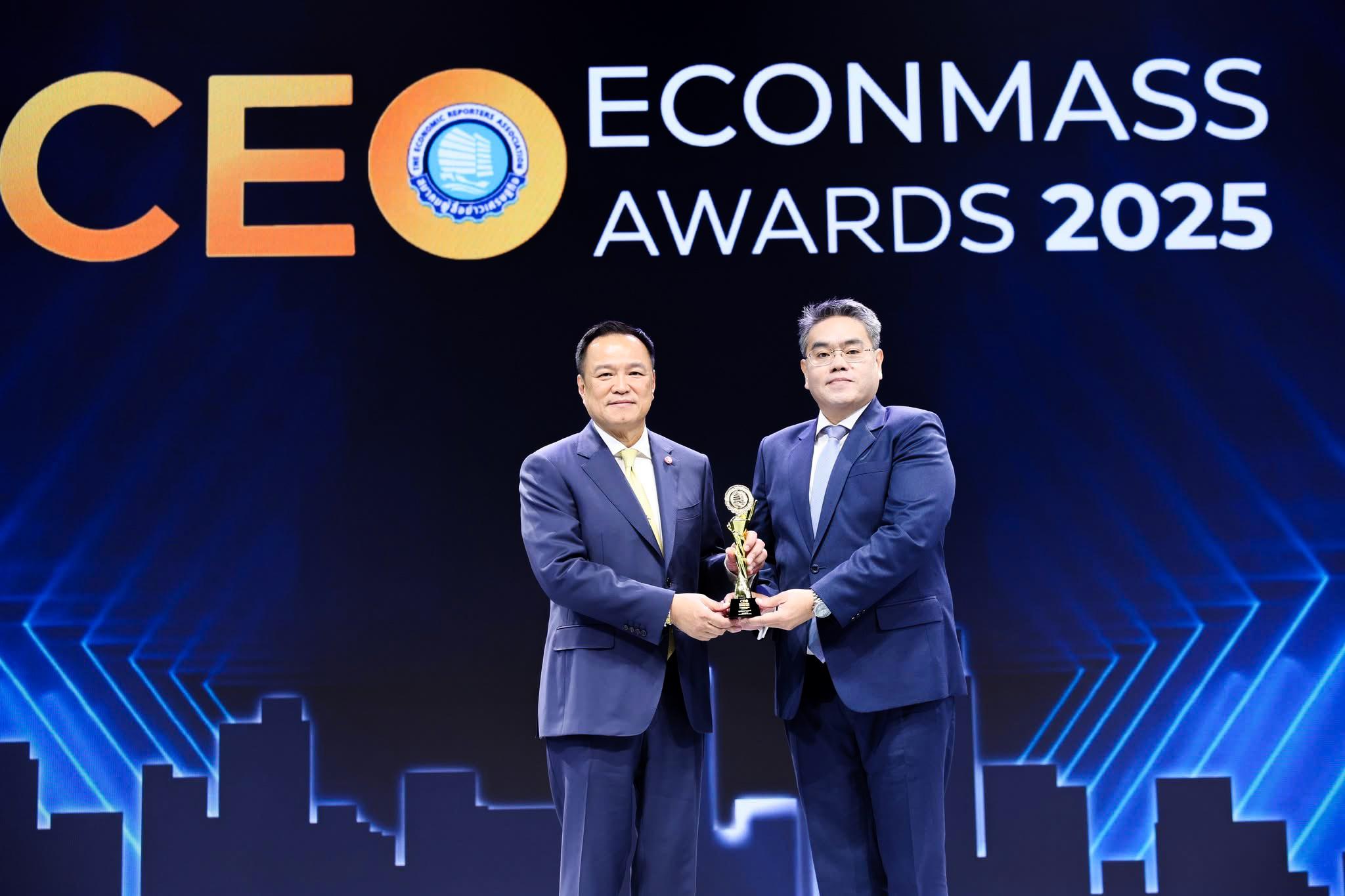
Sak Siam Leasing Public Company Limited, represented by Mr. Siwapong Boonsalee, Managing Director, received the CEO Econmass Awards 2025 in the category of Outstanding Senior CEO. This award, from the Economic Journalists Association's selection project for outstanding organizational leaders (Outstanding CEOs) in the financial business sector, was presented by the Prime Minister (Mr. Anutin Charnvirakul) on October 8, 2025.